

Mental Health Diagnosis
A mental health diagnose is a method of identifying the symptoms of a person, and their impact on daily life. The diagnostic manual that is used by professionals is the Diagnostic and Statistical Manual of Mental Disorders (DSM), includes criteria that include symptoms, feelings, and other behaviors that have to be present for a certain period of time in order to be eligible for the diagnosis.
Signs and symptoms
If you or someone you know exhibit signs of mental illness, it is important to consult a doctor or other health professional as soon as you can. Behavioral disorders can affect the way people feel and behave. This could make it difficult to perform at home or at work. Early treatment can help reduce symptoms and reduce the chances of long-term problems.
If the symptoms are severe, they may interfere with routine life activities and lead to serious harm. Red flags include abrupt or extreme changes in appetite, sleep or energy levels; mood swings that range from anger to depression and withdrawal from social activities and the feeling of being isolated; a loss of interest in activities that were previously enjoyable trouble thinking; and a failure to perform simple tasks, such as remembering or focus.
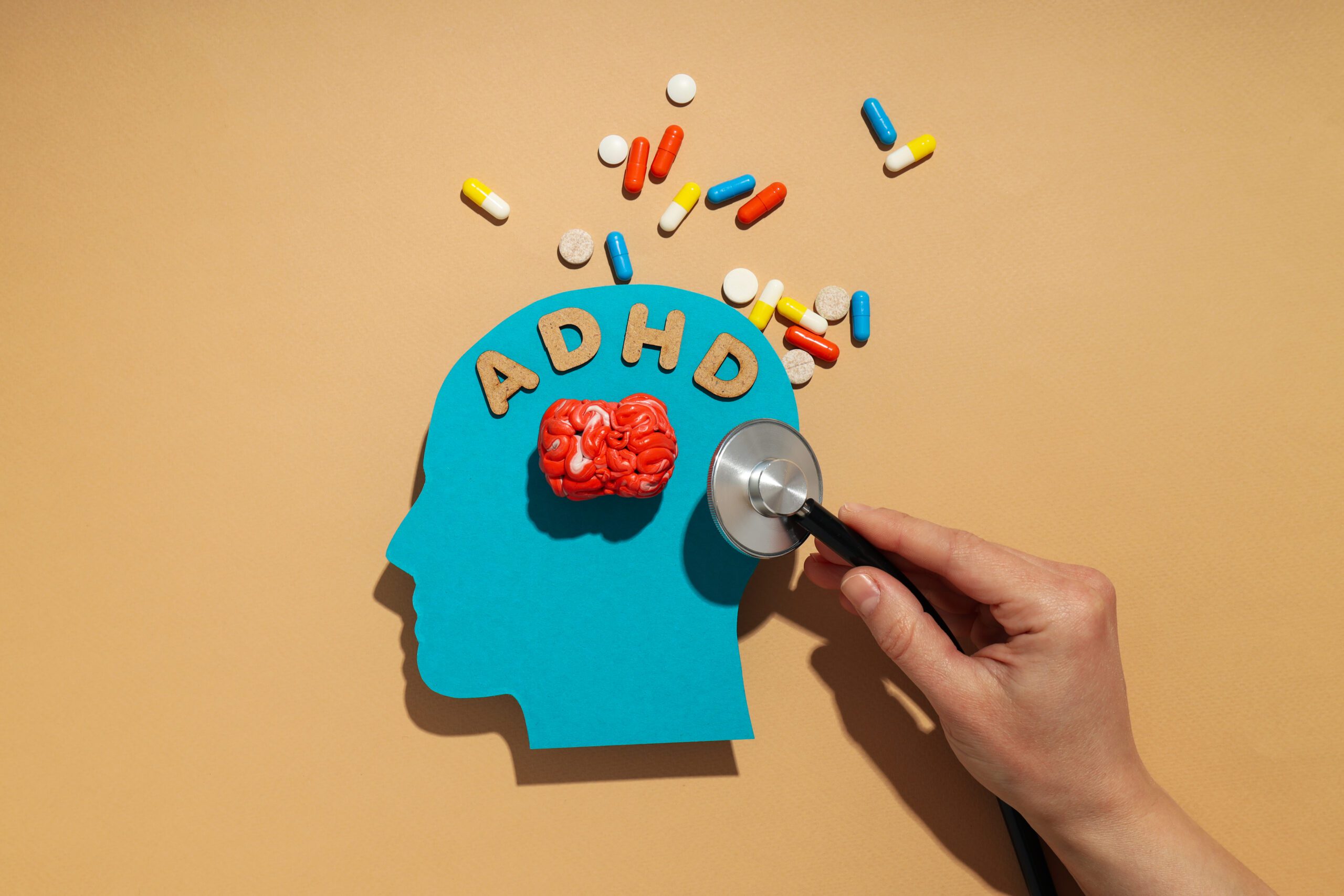
The symptoms of mental illness differ according to the person and the diagnosis. Bipolar disorder, ADHD, and personality disorders are also common. If you have any of these disorders and are at risk of harming yourself or others, seek immediate help.
In addition to a physical exam, health care professionals and doctors will ask you questions about your symptoms and how they impact your daily activities. They will also look for physical conditions that may cause the same symptoms such as thyroid diseases or alcoholism. They could use questionnaires or other forms to help identify your symptoms.
Many mental disorders have a biological cause like changes and imbalances of brain chemical processes. They are caused by neurotransmitters, chemical messengers - that allow the body and brain to communicate are not functioning properly. Genetics play a part in this, as do environmental triggers like trauma or exposure to chemicals and drugs during pregnancy.
Behavioral therapy can aid in the treatment or manage mental health disorders. These treatments include talk therapy, family therapy or group therapy, as well as support groups. Some people who need more intensive treatment could benefit from residential programs that provide overnight stays or daytime sessions. Mental health problems aren't curable but treatment can help lessen or eliminate the symptoms and increase the capacity of an individual to perform.
Diagnosis
A diagnosis of mental health can be a stressful experience. It can be a relief when you finally have an explanation for something that's been causing you stress. It could aid you and your doctor to determine what treatment may be beneficial.
Many people with mental disorders can lead normal lives even though their symptoms are severe. Some individuals require more intense treatment, such as hospitalization and medications. In the United States a person with a serious mental illness is defined as having symptoms that hinder important life activities and is not controlled by medication. This definition is based on a mix of factors, including how much the disorder affects daily life.
Most mental health issues have no physical signs however, they may influence your thoughts, emotions and behavior. The symptoms could be temporary or long-lasting. Certain mental diseases can be treated using psychotherapy, which is the process of speaking with a therapist or counselor. There are many kinds of psychotherapy, but the most popular is cognitive behavioral therapy. This type of therapy can help you to change your thought process and behavior, which may reduce symptoms. Other treatments include dialectic behavior therapy and interpersonal psychotherapy, that focus on your relationships. Psychoanalysis which addresses the underlying psychological conflicts and defenses, is a different kind of psychotherapy.
Certain mental health issues can be improved through alternative treatments, like yoga, meditation and massage. It is important to consult your physician prior to taking supplements or herbal remedies, as they can affect the effectiveness of certain medicines. The use of brain stimulation therapies, such as electroconvulsive therapy and transcranial magnetic stimulation can also improve some mental health conditions. These treatments can alter the way that nerves and other cells in your brain process chemical, making them work better.
Most mental disorders cannot be prevented. However, you can ensure your safety by avoiding activities that make you feel uncomfortable and adopting healthy habits such as getting plenty of sleep and eating a healthy diet and exercising regularly. If you have a loved one who suffers from a mental health condition You can assist them by encouraging them to adhere to their treatment plan and being there for them whenever they need you.
Treatment
Mental health issues are treated in a variety of ways. These include medication, talk therapy and other methods. private mental healthcare of therapy are more effective for certain people than others. It may take a while to find what works best for you.
The first step is to seek an assessment from a specialist in mental health. They will use questionnaires, interview you and evaluate your symptoms. They will also look at the impact your symptoms are having on your life. If your doctor suspects that you suffer from mental illness and they recommend you to a psychologist or psychiatrist.
Psychologists, psychiatrists and psychiatrists are specially trained in the treatment of mental illness. They can diagnose mental illnesses using the diagnostic manual published by the American Psychiatric Association (DSM-5). Psychologists and psychiatrists have been licensed to practice in your state after undergoing a rigorous education program.
While there is no one root of mental illness experts have identified a few factors that increase your chances of developing a condition. These include your genes (your family history of mental illness) stress-inducing life events, trauma or abuse and some aspects of culture or society.
Most likely, you will be treated using psychological methods that are commonly referred to as talking therapies. These therapies are utilized with either groups or individuals and are designed to help you to recognize your feelings and alter your thoughts and behaviours. These treatments can help reduce the symptoms' distress, and even the symptoms themselves. They can be administered in the community or in a hospital setting. Examples of psychological treatments include cognitive treatment for behavioural issues, eye movement desensitization and processing (EMDR) as well as mindfulness and interpersonal and group therapy.
Certain people require more intensive treatment than others. For example, people with severe bipolar disorder or depression may need to be admitted to a psychiatric facility to receive long-term treatment. This could be a terrifying scenario, but it's important to remember that you will be in a secure setting and that the treatment will be tailored to your specific needs.
A diagnosis of mental illness can be difficult for the person who is suffering from it, their family members and family members. However, it is important to remember that there are steps you can take to manage your condition and lead a full life.
The following is a list with preventions.
Mental disorders aren't different from physical ailments. Genetics and the environment can play a role. As do life-threatening events, as well as brain circuits and processes. Many people suffering from mental illness do not seek help despite the existence of effective treatment and prevention. Some people aren't able to access care, while others suffer from discrimination and stigma.
The medical field of psychiatry is that focuses on the diagnosis and treatment of emotional, behavioral and mental disorders. Psychiatrists have completed medical training and are certified in the assessment of mental problems. They are able to assess and order laboratory and psychological tests, talk with patients and review the history of their families to get an accurate picture of the patient's mental health. They are also able to identify mental disorders based on the criteria established by the APA's Diagnostic and Statistical Manual of Mental Disorders.
Preventive psychiatry is a way to promote health, lower the risk of mental health problems, and treat mental illness among those who already have the condition. Its strategies can be categorized into three categories that are: universal, selective and indicated. Universal preventive interventions target all people who do not have specific risk factors, such as vaccines for infants and prenatal care. Preventive interventions that are selective focus on those at a high risk of developing mental illness, for example those who have a family history of psychiatric disorder or substance use disorder. The prevention that is indicated is targeted to those who are identified as being at risk of a specific mental disorder, such as depression or suicide.
Consider having an open and honest discussion about the symptoms of someone you know who is suffering from a mental illness. You might not be able to pressure them into seeking professional assistance, but you could offer support and encouragement. If you are concerned that a loved one has attempted self-harm, call 911 or go to the emergency room right away. Helping them to be aware of the severity of their condition and the ways to treat it is a crucial step. You can also help them to locate a qualified therapist or support group and attend with them. The first step towards better mental health is getting an accurate diagnosis.